

Anyone Ever Dare You to Eat Worms? How About PROTEIN From Worms... or Goats, Nuts, Peas and More!
TL;DR Weird Protein Supplements That Work
- This article looks at protein powders the author hasn’t personally tried yet: pea, soy, goat whey, seed-based, nut-based and even worm-based options.
- Pea protein can be gentle for some people but is high in sodium in many brands and may be an issue if you’re sensitive to FODMAPs.
- Soy protein is affordable and “complete,” but raises questions for some people about phytoestrogens, thyroid health and heavy processing.
- Goat whey provides a cow-dairy alternative with A2 casein and less lactose, which may be easier to digest if you struggle with regular whey.
- Seed and nut proteins (watermelon, pumpkin, sunflower, almond, peanut, black walnut) usually have fewer total grams of protein per serving but offer extra fiber, minerals and healthy fats.
- Insect and worm proteins (like roasted meal worm) can be very sustainable, but chitin content and “buggy” taste—and shellfish/mushroom allergies—may be deal-breakers for some people.
One Product mentioned in this article:
• Naked Nutrition Goat Whey Protein (single-ingredient, pasture-raised)
Issue #3 Protein Powders I Haven't Tried
My last article covered protein powders I have tried. This article looks at types, both plant based and animal based, I haven't tried.
1. Pea Protein
Pea protein is a common plant based source. It contains all nine essential amino acids but relatively low methionine.
I have not tried pea protein as a single source protein powder but I have tried products that combine pea protein with other plant based proteins. Pea protein is supposed to be easily digested but can have a bitter taste.
However, peas are a considered a high FODMAP food.
FODMAP's are single chain carbohydrates that our small intestine doesn't absorb well. If the manufacturer hasn't removed enough of the carbohydrate portion of peas from the protein, a person who is sensitive to FODMAP's, like myself, could react negatively to this type of protein.
As a result of the lack of consistency in manufacturing processes, Monash University, which created the low FODMAP diet, does not list pea protein as a low FODMAP food.
If you guessed that I will be writing an article about FODMAP's in the future, you guessed right.
It's important to note the substantially higher sodium content in pea protein powder compared to other types.
Some brands can contain as much as 300 mg of sodium in a serving. That's over 10% of your recommended daily intake of sodium!
The high amount of sodium is due to the salt solution used in the extraction process.
So, if you are using pea protein powder, take a close look at the amount of sodium in your product. I did come across a few low sodium pea protein powder products that add an extra step in the extraction process to get rid of the excess sodium.
Folona SoLo Pea Protein - 73 mg sodium or 3% of daily intake, one 35 g serving contains 30 g protein.
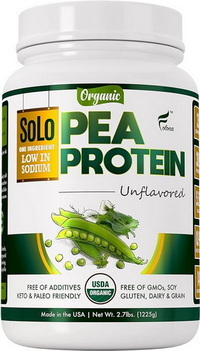
Naked Nutrition - Naked Pea Protein -110 mg sodium or 5% of daily intake, one 30 g serving contains 18 g protein
2. Soy Protein
Soy protein is common and a reasonable price. You will find soy protein concentrate and soy protein isolate.
Like whey, soy goes through more processing to isolate the protein and increase the percentage of protein in the product. It provides all nine essential amino acids but is low in methionine.
It is also a common allergen. It's one I never tried because of the concern over whether or not it is genetically modified and how its phytoestrogens could affect hormone levels.
In the past, I had been told to avoid soy because it could interfere with thyroid gland health. I learned there are non-GMO soy protein powders available, however this type of protein is heavily processed.
When it comes to the questions of soy phytoestrogens and hormones as well as thyroid health, I couldn't find a definitive answer on either. I found recent studies stating that earlier studies were wrong and, in turn, studies contradicting that. It's confusing. So, I don't know what to think.
I would suggest that if you are concerned about the phytoestrogens or have thyroid issues, you should do some more research or ask your medical professional before trying soy protein.
3. Goat Whey Protein
Goat whey protein powder is a great option if you are looking for an alternative to cow's milk protein powders.
Like cow's milk whey protein, it contains all the EAA's at sufficient levels. It has less lactose than cow's milk and is easier to digest because, like the Jersey cows from the previous article, it contains A2 casein protein.
The protein is supposed to have a fairly mild taste but I found goat's milk to have a strong flavor so I have been hesitant to try it.
Naked Nutrition makes a one-ingredient unflavored goat whey protein powder sourced from pasture-raised goats and cold processed to retain nutrients. If you like goat's milk, you might want to check this one out.
4. Other Plant-Based Proteins
The world of plant based protein powders has grown to include some surprising options that I have yet to try.
There are plant based protein powders now made from different seeds and nuts. I have come across watermelon seed protein, pumpkin seed protein, sunflower seed protein, flax seed protein, as well as combinations of seed protein powders.
Seed proteins are supposed to be pretty mild in taste and easy to digest. However, there is always the possibility an individual plant protein just won't agree with your digestive system.
If you follow a Paleo or keto diet, protein from nuts and seeds will work for you.
Why would you consider one of these new protein powder options?
It's a matter of looking at what else these seed proteins can offer you. Plant based protein powders typically have less protein content than whey, but they have more vitamins, minerals, healthy fats and fiber.
Some examples:
Watermelon seed protein contains the nine EAA's but is relatively low in lysine. It's high in B vitamins and magnesium.
Pumpkin seed protein powder contains all nine EAA's and is a good source of lysine and tryptophan. Perhaps the tryptophan in this protein could improve the quality of a person's sleep. It also contains magnesium, iron, zinc, vitamin C and fiber.
Sunflower seed protein powder contains all nine EAA's but is relatively low in lysine and methionine. It is a good source of potassium, vitamin E, zinc and fiber, and is supposed to have a neutral taste.
Sacha Inchi protein powder is included in one of the products I wrote about in my last article. It's a plant from South America that produces fruit with large edible seeds. The fruit isn't normally eaten but the seeds are roasted or pressed for their oil. The protein powder is made from the seeds and has a nutty flavor. You are more likely to see it in a combination protein powder. It's harder to find as a single protein source and I haven't yet found a brand selling it that I would consider ordering.
You will find many individual seed type protein powders as well as combination products.
I came across a company called Sprout Living which makes a combination seed protein powder as well as single seed protein powders. I haven't tried their products, but I liked what I read. They use high quality natural ingredients and leave out the junk.
Check out Sprout Living here...
5. Nut-Based Proteins
What about nut proteins, you ask?
I came across almond, peanut and walnut protein powders.
Regarding peanut protein, my understanding is that peanut protein powder is the same thing as peanut butter powder or PB2. Peanut butter powder is just peanut butter that has had the oil squeezed out, so it has less fat than regular peanut butter.
However, you get less protein than you would in other protein powders and more fat. Keep in mind that most of the fat found in nuts is unsaturated, which is the “good” fat. Like other plant based proteins, it is low in lysine and methionine.
Peanuts can cause inflammation in some people like myself, so if you use peanut butter protein, I would suggest you pay attention to how you are feeling. My joints get sore when I have peanuts a few days in a row.
Peanuts contain lectins, a type of protein, and oxalates, which can both contribute to inflammation in some people. It's worth reading about if you are wondering if peanut butter powder is a good fit for you. Please note that this is not the same things as a peanut allergy.
Almond protein powder is not the same thing as almond flour.
Almond protein is made by extracting the oil from the almonds and then creating a powder. Almond flour is simply ground whole blanched almonds so it has more fat than the protein powder.
Almond meal is a coarser grainier version of the flour. Almond protein powder is a good source of fiber but low in lysine. And, like peanut butter powder, you will get less protein than other protein powders and more fat.
Black walnut protein powder is a unique product in that the company who produces it, Surthrival, uses 100% U.S. wild grown sustainably foraged black walnuts. It's fascinating to read about their process.
Surthrival won Best Planet Forward Product of 2023 for this product at Nexty Expo East. Nexty Awards recognize the most innovative products in the natural products industry.
But, it isn't cheap. It also contains fiber, iron and unsaturated fat, but is low in methionine.
Check out Black Walnut Protein here... (17 g protein in 30 g serving)
6. Worm-Based Protein
In the non-plant based category for new unusual proteins, I offer you Tenebrio Molitor (roasted meal worm) protein powder.
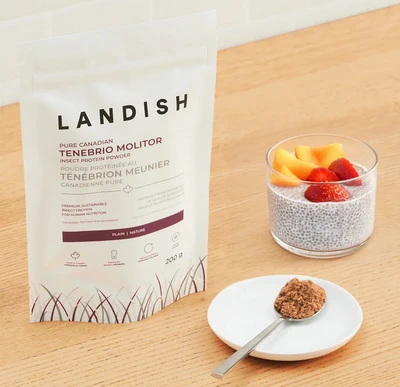
What are meal worms? They are the larva of the meal worm beetle.
Like cricket protein, it looks good when considering the environment and sustainability Also like cricket protein, it contains chitin. You will recall from my previous article that chitin could be a problem for anyone with allergies to shellfish or mushrooms.
I highly doubt I will try it because I didn't get past the buggy taste of cricket protein. Nick would probably try it, but I am not brave enough.
If you are looking to try a different kind of protein powder, you have a lot of choices.
Stay tuned for the next issue of Good Health Under Construction where I talk about my experience with magnesium supplements, which common vitamin you likely take that needs magnesium to work properly in your body and which type of magnesium is 100% absorbed.
Nick's sister, Alexis
More From Fitstep.com
| Stink Training for Bringing Up Weak Bodyparts | |
| Fat Loss Circuit Training With Dumbbell Crawling | |
| The Great Big List of Calorie-Free Foods | |
| 4 Tips For Larger, Firmer, Rounder Glutes |
Site Search

Subscribe to my YouTube Channel
And see every new exercise and training technique when it's released!
Recommended For You...
The Starting Monday Diet
Learn how to eat for fat loss WITHOUT losing muscle or strength. This simple, week-based diet program will get you ripped AND strong. This is the best "no guilt" diet program I've ever put together.
Discover the easiest way to get lean and KEEP your muscle...